
SEO vs GEO vs AEO in 2026: The Future of AI Search Optimization
Search is changing faster than ever.
Ranking on Google alone is no longer enough to maintain strong online visibility. Today, people are discovering businesses through AI-powered platforms such as ChatGPT, Google Gemini, voice assistants, featured snippets, and AI-generated search summaries.
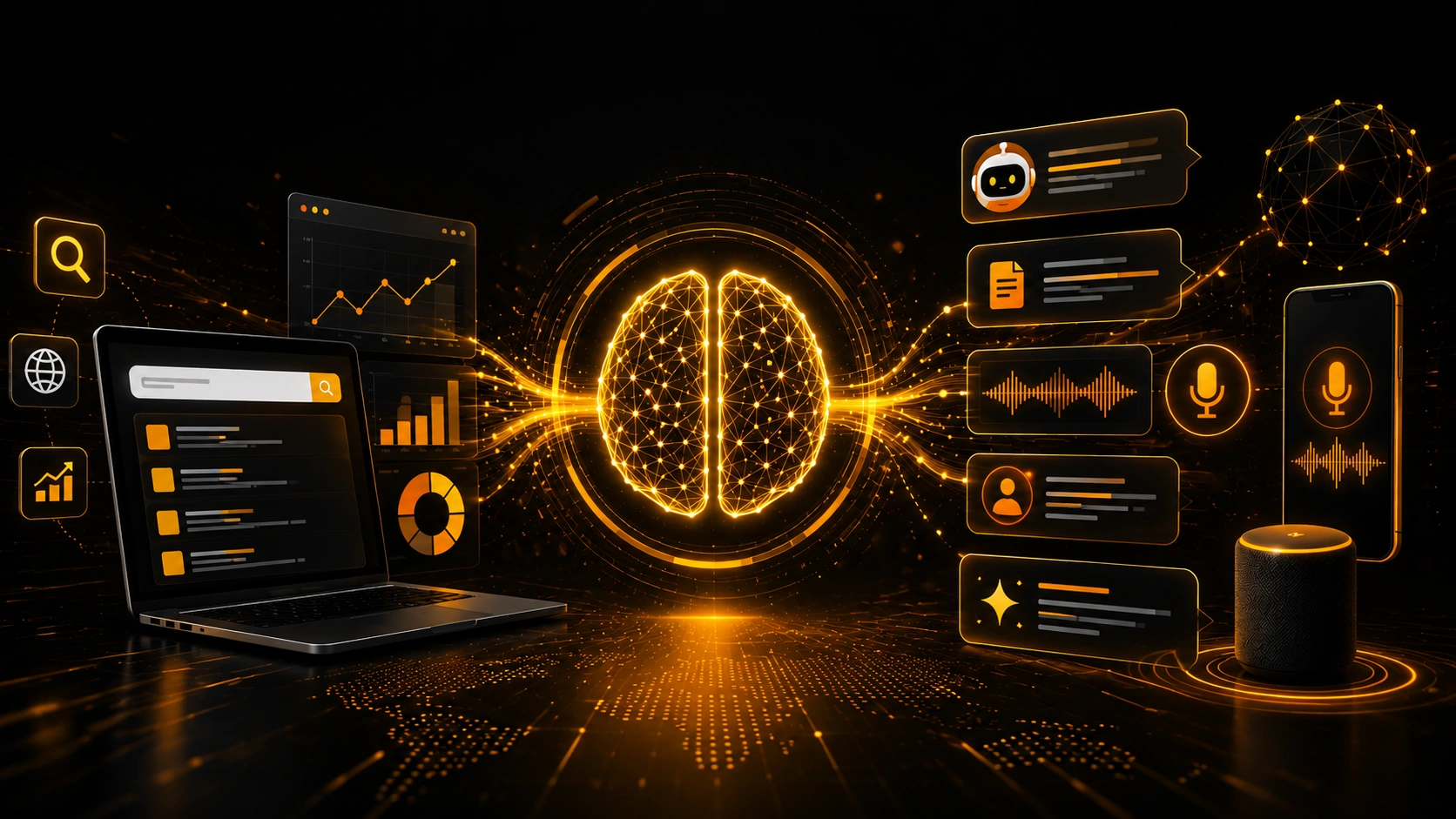
In 2026, businesses need more than traditional SEO.
To stay visible, brands need to optimize for:
- Search engines
- AI-generated answers
- Voice search
- Conversational search platforms
This is where SEO, AEO, and GEO work together.
Understanding these strategies is essential for businesses wanting stronger rankings, improved AI visibility, and long-term digital growth.
1. What is SEO (Search Engine Optimization)?
SEO is the process of improving your website’s visibility in search engines such as Google and Microsoft Bing.
Traditional SEO focuses on:
- Keyword optimization
- Website speed
- Technical SEO
- High-quality content
- Backlink building
- Mobile responsiveness
- Internal linking
The goal is straightforward:
Help your website rank higher when people search for your products or services.
SEO remains a key part of digital marketing, but search behavior is evolving. Users increasingly expect immediate answers rather than browsing through multiple websites.
2. What is AEO (Answer Engine Optimization)?
AEO stands for Answer Engine Optimization.
AEO focuses on creating content that search engines and AI systems can easily extract and present as direct answers.
Rather than simply ranking pages, AEO helps your content appear in:
- Featured snippets
- "People Also Ask" results
- Voice search responses
- AI-generated summaries
AEO content is designed to answer questions clearly and concisely.
AEO Best Practices
Effective AEO content includes:
- Question-based headings
- Clear and direct answers
- FAQ sections
- Bullet points
- Simple formatting
- Conversational language
For example, users are increasingly searching for questions like:
- "What is GEO in SEO?"
- "How does AI search work?"
- "How can businesses improve AI visibility?"
Content that answers these questions directly is more likely to perform well across AI-powered search experiences.
3. What is GEO (Generative Engine Optimization)?
GEO (Generative Engine Optimization) represents the next evolution of SEO.
GEO focuses on helping your brand appear in AI-generated responses from platforms such as:
- OpenAI ChatGPT
- Google Gemini
- Microsoft Copilot
- AI-powered search tools
Unlike traditional search engines, AI systems generate responses by combining information from multiple trusted sources.
Without GEO optimization:
- Your brand may not appear in AI-generated answers.
- Your visibility could decline over time.
- Competitors may dominate AI-driven search results.
GEO helps businesses improve:
- AI visibility
- AI search performance
- Brand authority
- Conversational search presence
- Digital trust signals
| Strategy | Primary Goal | Appears In |
|---|---|---|
| SEO | Improve website rankings | Google and traditional search engines |
| AEO | Become the best direct answer | Featured snippets and voice search |
| GEO | Improve AI visibility | ChatGPT, Gemini, and AI-powered search |
These strategies complement each other and help businesses build visibility across both traditional and AI-driven search platforms.
4. Why SEO Alone Is No Longer Enough?
Traditional SEO still matters, but the way people search has changed significantly.
Today:
- Users rely on AI-generated answers.
- Voice search continues to grow.
- Search engines increasingly summarize content directly.
- Zero-click searches are becoming more common.
As a result, businesses relying solely on traditional rankings may experience:
- Reduced organic traffic
- Lower visibility
- Fewer clicks
- Less engagement
Modern digital visibility requires optimization for both search engines and AI-powered experiences.
5. How to Improve AI Search Visibility?
1. Create Content Around Real Questions
Search is becoming more conversational.
Instead of focusing only on short keywords, target genuine questions such as:
- "What is AI search optimization?"
- "How does GEO work?"
- "How can businesses rank in AI search?"
Question-focused content improves:
- Featured snippets
- Voice search visibility
- AI extraction
- Conversational search performance
2. Structure Content Clearly
AI systems prefer content that is easy to understand and scan.
Use:
- H1, H2, and H3 headings
- Bullet points
- Short paragraphs
- FAQ sections
- Straightforward explanations
Well-structured content improves both SEO and AI visibility.
3. Build Topical Authority
Publishing random blogs is no longer enough.
AI platforms prioritize websites that consistently demonstrate expertise in a particular subject area.
To build authority:
- Publish in-depth content
- Cover related topics
- Update articles regularly
- Maintain consistency
- Use strategic internal linking
Strong topical authority increases the likelihood of your content being referenced by AI systems.
4. Optimize for Conversational Search
For example:
Traditional search:
“SEO agency”
Modern search:
“Which SEO agency helps improve AI visibility?”
Your content should reflect how people naturally speak and search online.
5. Strengthen Technical SEO
Technical SEO remains a crucial part of visibility.
Your website should:
- Load quickly
- Be mobile-friendly
- Use HTTPS security
- Have a clean site structure
- Include schema markup
- Maintain strong Core Web Vitals
Fast and technically sound websites tend to perform better across both search engines and AI platforms.
6. Common Mistakes Businesses Make
Focusing Only on Keywords
Modern AI systems evaluate:
- Context
- Relevance
- Authority
- Expertise
- Trustworthiness
Keyword stuffing is no longer effective.
Publishing Thin Content
Short, low-value content rarely performs well in AI search
AI platforms favor:
- Helpful insights
- Clear explanations
- Expert-driven content
- Well-structured information
Ignoring User Intent
Successful SEO and GEO strategies focus on solving problems and answering questions rather than simply chasing search volume.
7. Why AI Visibility Matters in 2026?
AI-generated search is becoming an increasingly important way people discover businesses online.
Companies that invest early in:
- GEO
- AEO
- AI search optimization
- Conversational search
- AI visibility
will gain a strong competitive advantage over the coming years.
Businesses that ignore AI-driven search risk losing visibility as search behavior continues to evolve.
8. The Future of Search Is AI-Driven
Search is no longer just about rankings.
Businesses now need visibility across:
- Search engines
- AI-generated answers
- Voice assistants
- Conversational AI platforms
SEO, AEO, and GEO work together to create a future-ready digital strategy.
Businesses that adapt early will strengthen:
- Search visibility
- Brand authority
- Organic traffic
- AI discoverability
- Long-term lead generation
As AI continues to reshape the way people search, businesses that embrace these changes will be better positioned for sustainable growth.
Frequently Asked Questions
GEO (Generative Engine Optimization) is the process of optimizing content so AI platforms such as ChatGPT and Gemini can reference and use your information when generating answers.
SEO focuses on improving rankings in search engines, while AEO focuses on structuring content to become the best direct answer in snippets, voice search, and AI summaries.
AI visibility helps businesses appear within AI-generated answers, conversational search platforms, and smart assistant experiences.
Businesses can improve AI visibility by:
- Publishing authoritative content
- Using structured formatting
- Answering questions clearly
- Building topical authority
- Improving technical SEO
- Creating conversational content